Impact-Site-Verification: 02bd8ac0-52f4-4d9e-b9e1-87edd5f21c3b

Can Foreign Visitors Use COCOHELI in Japan?

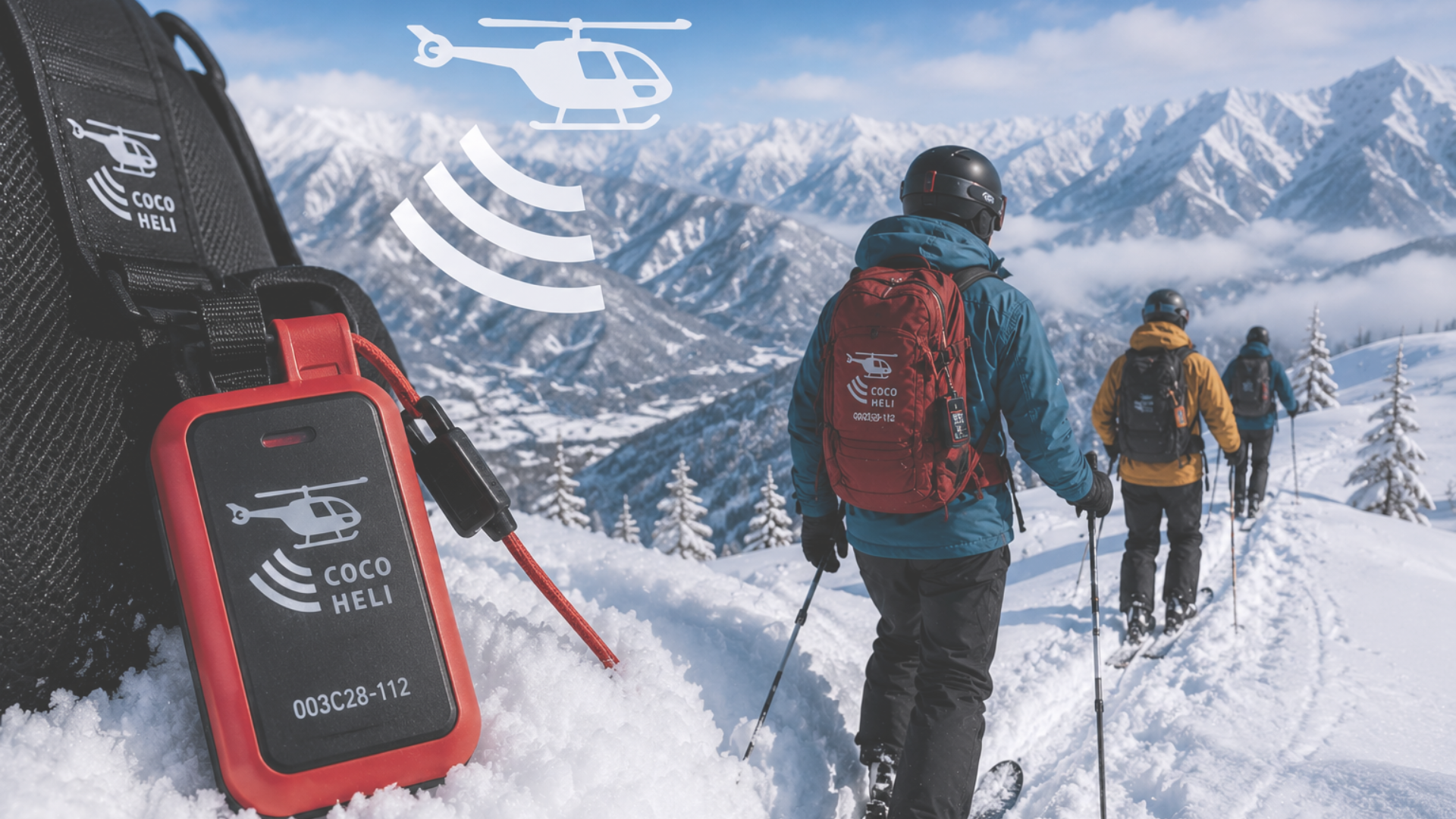
Everything You Need to Know Before Your Trip Imagine you've decided to explore Japan's legendary backcountry. You've packed your avalanche beacon, probe and shovel. Then someone mentions a device you've never heard of : COCOHELI. Can foreign visitors use it? Do you need to become a member? Can you rent one for just a few days? Here's everything you need to know before heading into Japan's mountains. What Is COCOHELI? COCOHELI is a radio-based rescue support system developed in Japan. Unlike an avalanche beacon, it's designed to help professional rescue teams locate missing riders. If you're new to COCOHELI, our previous guide explains why it exists, how it works, and why it has become part of Japan's mountain safety culture. Can Tourists Actually Use COCOHELI? Yes — and this is one of the most common misunderstandings among visiting riders.  Because COCOHELI's website, sign-up process, and support are primarily in Japanese, many international visitors assume the service is built for Japanese residents only. It isn't a legal restriction — it's simply a language and process barrier that hasn't been fully addressed yet.  For short-term visitors, the practical path is usually a rental rather than a full membership: pick up a transmitter at a confirmed rental location such as Hakubakan, use it for the length of your trip, and return it before you leave. No long-term commitment, no Japanese residency required. Membership vs Rental Feature Membership Rental Best for Frequent visitors Short trips Length Ongoing Daily / Trip Device Provided (on loan) Provided (on loan) Recommended for ...

ReadMore

What Happens After a Ski Accident in Japan?

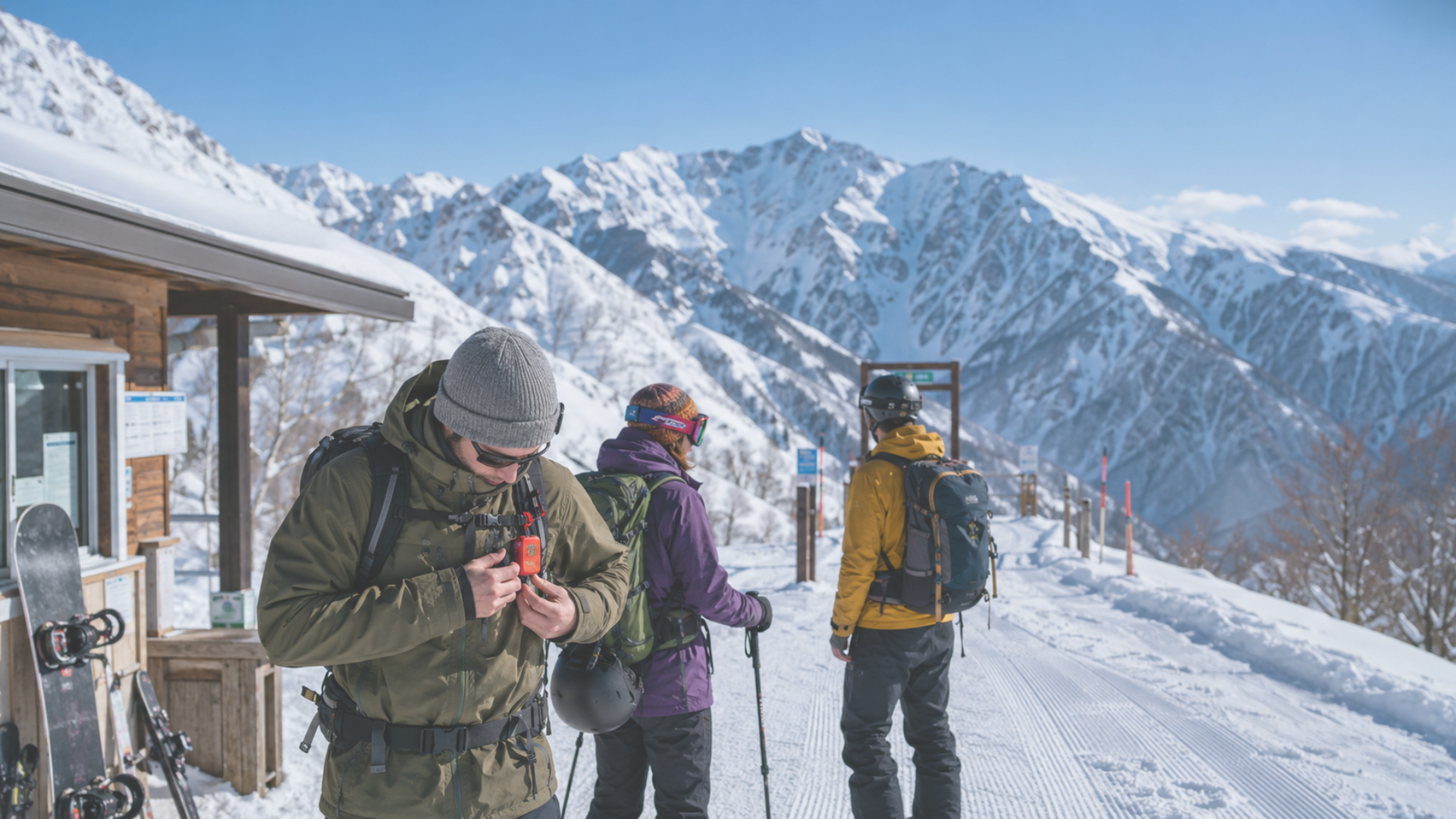
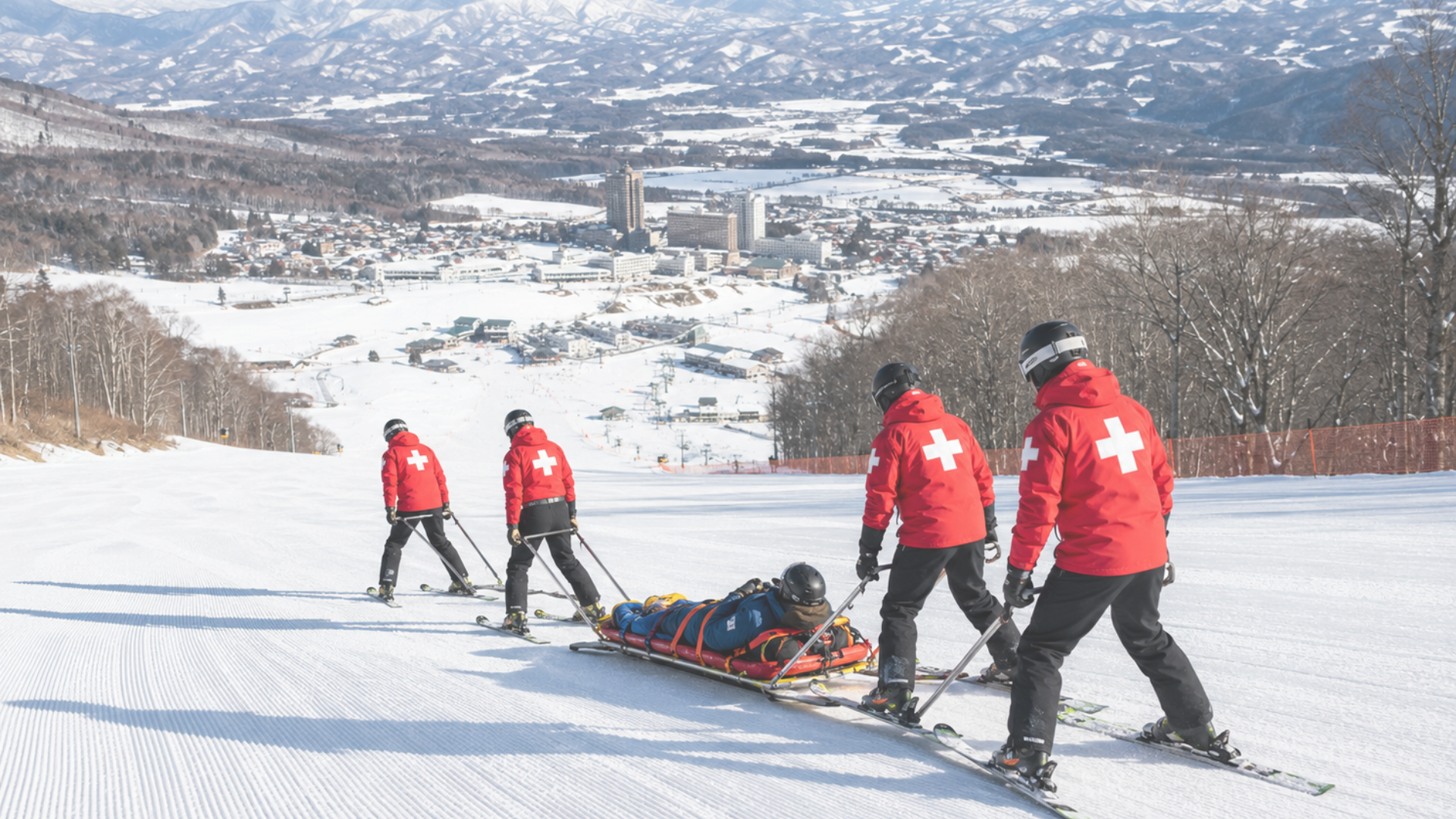
A Step-by-Step Guide for Foreign Visitors You're halfway down a run in Hakuba. The snow is soft. Visibility is good. Then it happens. You catch an edge. Your ski twists awkwardly. You try to stand... ...but your knee won't support your weight. Your friends stop beside you. Someone asks, "Should we call an ambulance?" In Japan, that's usually not the first step. Most ski accidents follow a process that many international visitors have never experienced before. Knowing what happens next won't prevent an accident—but it can make an already stressful situation far less confusing. Step 1 — Contact Ski Patrol If the accident happens inside the resort, ski patrol is usually your first point of contact—not the ambulance. If you're riding with friends, ask one person to stay with the injured rider while another contacts the nearest lift operator, ski patrol member, or resort staff. According to Hakuba47 Ski Patrol, providing the following five details as accurately as possible helps rescuers locate the site and respond faster: The more accurate the information, the easier it is for patrol to locate you. Step 2 — Ski Patrol Assesses the Situation Once patrol arrives, they will first make sure the accident scene is safe. Their priorities are generally: Many visitors assume ski patrol simply calls an ambulance. In reality, patrol members are trained to assess the situation before deciding what level of medical care is required. At resorts such as Hakuba47, patrol members include personnel trained in first aid, CPR, avalanche response, and mountain rescue. That means ...

ReadMore

Most Visitors Have Never Heard of COCOHELI — Here's Why It Exists

If you're planning to ski or snowboard in Japan, you've probably heard about avalanche beacons. You may have packed a beacon, probe, and shovel before your trip. But there's a good chance you've never heard of COCOHELI. That's not surprising. Outside Japan, very few riders know what it is. Yet within Japan's mountain community, more than tens of thousands people have joined the system, and it has become a familiar part of backcountry safety culture. So what exactly is COCOHELI? And why does it exist in Japan? Japan's Mountains Are Different Than Many Visitors Expect When international riders think about backcountry skiing, they often imagine wide-open alpine terrain. Japan can certainly offer that. But much of Japan's mountain terrain looks very different. Backcountry users frequently encounter: Even when rescuers know approximately where someone disappeared, finding them can still be extremely difficult. A rider wearing dark outerwear can be nearly invisible from the air. This is one reason search operations in Japan can take much longer than many visitors expect. The Problem COCOHELI Was Designed to Solve Imagine a rider who fails to return at the end of the day. Friends know the general area. Rescuers know which valley the rider entered. But nobody knows the exact location. Without a reliable signal, rescuers may need to rely on: All of this takes time. And in mountain rescue, time matters. COCOHELI was developed specifically to reduce this problem. Instead of relying solely on visual searches, rescuers can use specialized receivers to search for a dedicated radio signal ...

ReadMore

Is Off-Piste Skiing Legal in Japan? What Most Visitors Get Wrong

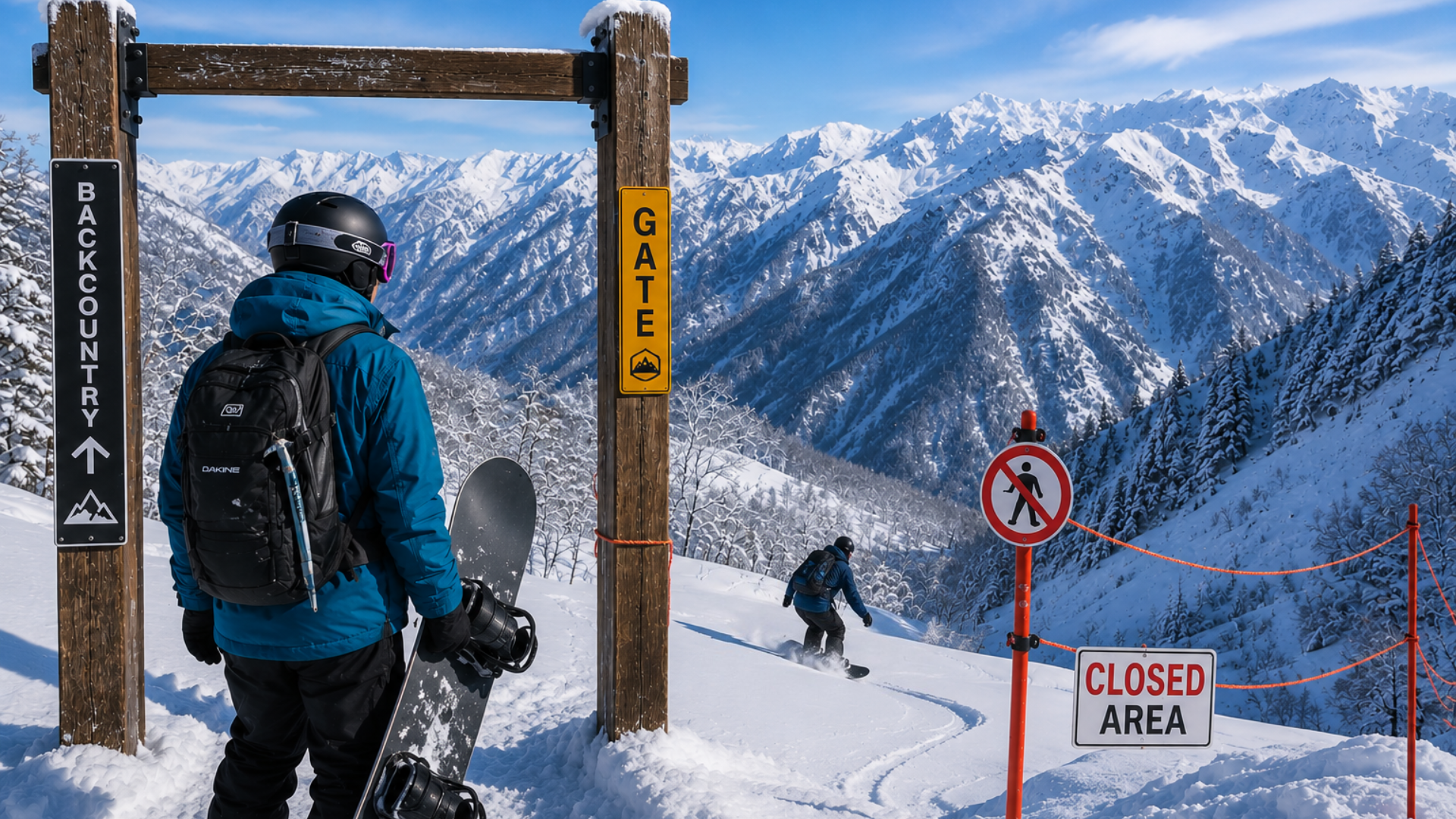
Every winter, thousands of skiers and snowboarders travel to Japan chasing deep powder, legendary tree runs, and the famous “Japow” experience - Sooner or later, many visitors hear conflicting advice. Some say off-piste skiing is completely illegal. Others insist you can ride anywhere and nobody will stop you. Neither is true. The reality is more nuanced — and understanding it matters more than most visitors realize. In Japan, some off-piste terrain can be accessed legally, while other areas are strictly prohibited. Understanding the difference is important not only for your safety, but also for your insurance coverage and potential rescue costs. Why So Many Visitors Get Confused Part of the confusion comes from the fact that Japan's ski resort system differs from what many visitors are familiar with. In North America, Europe, Australia, and New Zealand, resort boundary systems vary significantly. Visitors often assume the same rules apply everywhere. Social media makes the confusion worse. A rider posts a video from deep powder in the trees. Someone sees it and assumes: "If they rode there, it must be fine." But what's invisible in that video is how they entered the terrain. In Japan, that detail matters — a lot. What Does "Off-Piste" Mean in Japan? Generally speaking, off-piste refers to terrain outside groomed ski runs. Examples include: The key point — and where most visitors go wrong — is this: off-piste does not automatically mean prohibited. Whether terrain is accessible legally usually comes down to how you entered it. What Is a Prohibited Area? A ...

ReadMore

How Much Does a Helicopter Rescue Cost in Japan? (And Why Your Insurance Might Not Pay)

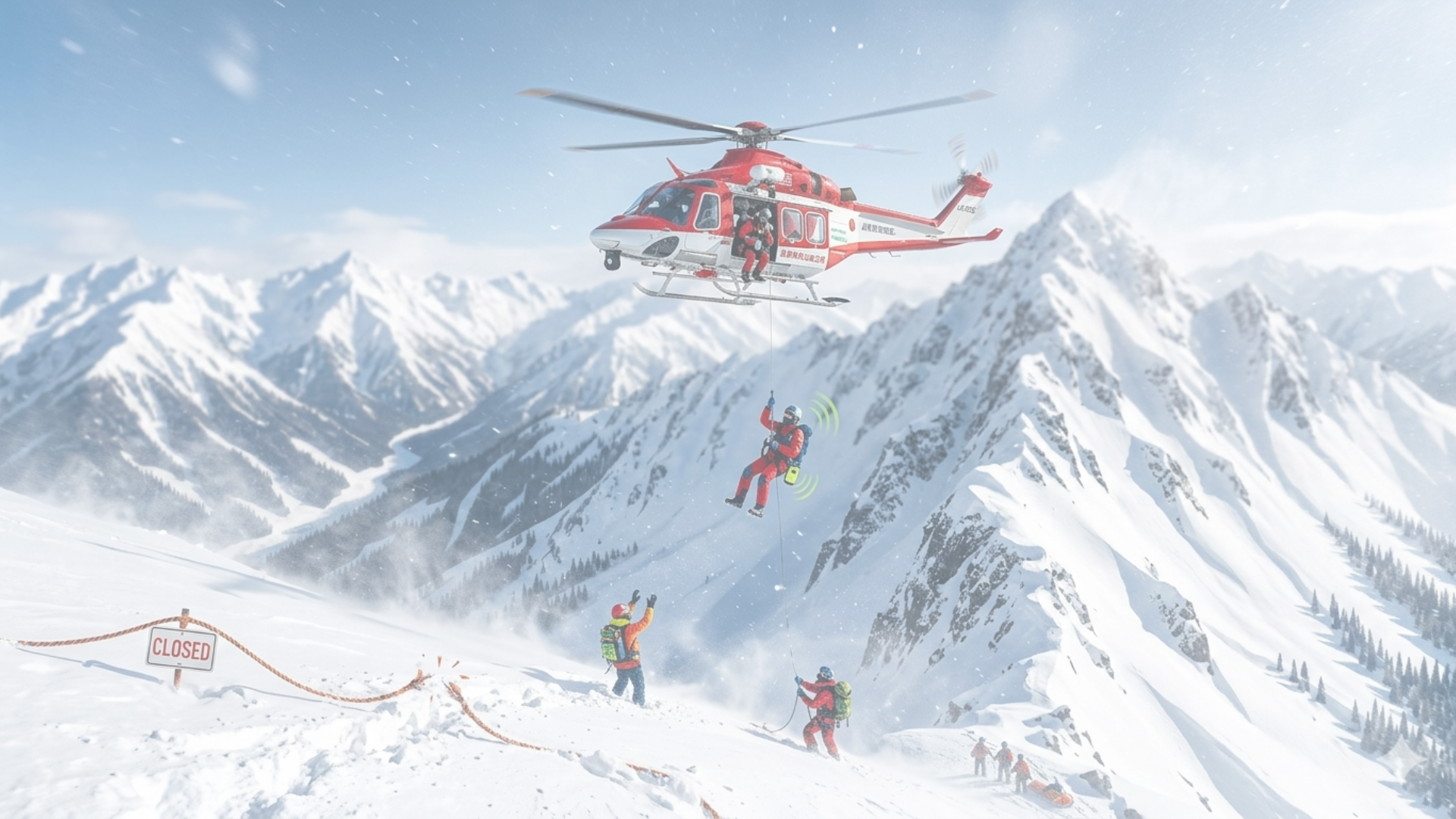
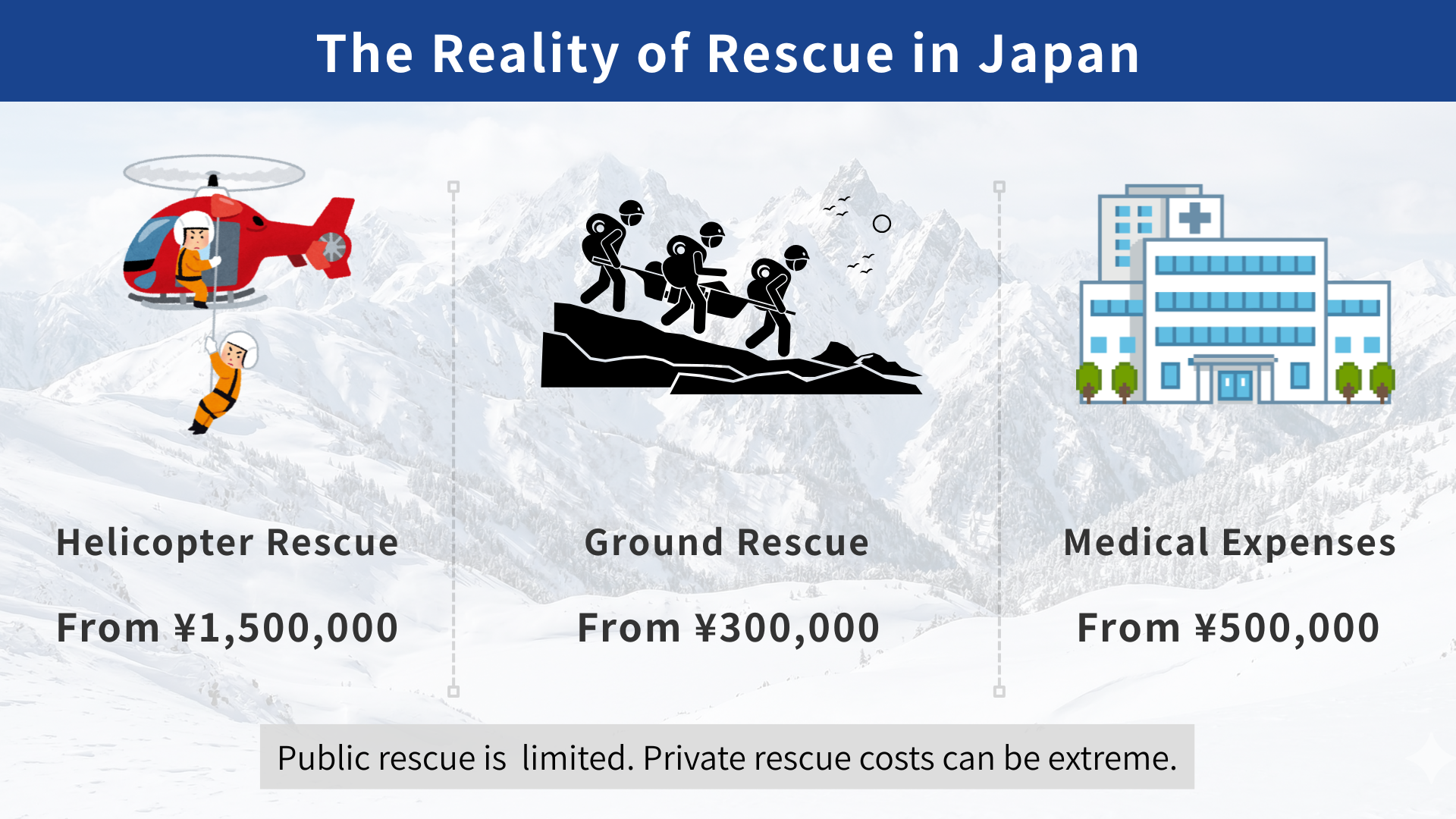
Every winter, thousands of riders flock to Japan, drawn by the irresistible allure of "Japow." The powder in areas like Hakuba, Niseko, and Myoko is legendary—deep, dry, and seemingly endless. For many, riding the pristine backcountry or ducking into the sidecountry trees is the ultimate snowboarding or skiing dream. But the raw, untamed nature of Japan's winter wilderness holds a harsh reality. When things go wrong in the Japanese backcountry, they go wrong quickly. A sudden whiteout, an unexpected terrain trap, a deep tree well, or a triggered avalanche can turn a dream vacation into a desperate fight for survival. And then comes the aftermath. While surviving a mountain emergency is a blessing, what follows is often a financial nightmare. A common and dangerous misconception among visiting riders is that if they get lost or injured, a rescue team will simply pluck them off the mountain for free, or their standard travel insurance will cover all the bills. This could not be further from the truth. In Japan, mountain rescue is a complex, highly privatized, and exorbitantly expensive operation. One wrong turn—especially one that violates local resort rules—can lead to life-altering debt, voiding your premium travel insurance in an instant. Here is the brutal reality of what a helicopter rescue actually costs in Japan, why your insurance might abandon you, and the critical piece of technology you need to prevent financial ruin. Private Helicopter Rescue in Japan: The Real Cost Breakdown When you are stranded in the freezing temperatures of the Japanese Alps, your first ...

ReadMore

Does Your Credit Card Travel Insurance Cover Backcountry Skiing in Japan?

Most riders heading to Japan's mountains assume they're covered. They booked the flights, packed the gear, and somewhere in the back of their mind, they remember that their credit card comes with travel insurance. That feels like enough. It almost certainly isn't — at least not for backcountry or off-piste riding in Japan. This article breaks down exactly where credit card travel insurance falls short in Japan's mountains, and what to check before you assume you're protected. What Credit Card Travel Insurance Actually Covers Credit card travel insurance is a genuine benefit — for specific situations. Lost luggage, cancelled flights, trip interruptions, basic medical emergencies during transit. For the kind of travel it was designed for, it works. The problem is that it was not designed for riding backcountry in the Japanese Alps. Most credit card policies define their coverage around standard tourist activities. Skiing, where it's covered at all, typically means groomed resort runs. The moment you move outside that definition — through a backcountry gate, into the trees, or beyond a marked boundary — the policy language stops working in your favor. And in Japan, the financial stakes of that gap are unusually high. The 4 Gaps That Matter in Japan's Mountains Activity Exclusions The word "skiing" in a credit card policy document almost always refers to on-piste, resort-managed skiing. It does not automatically include backcountry, off-piste, tree riding, or sidecountry — even if those activities take place at the same mountain. The test is simple: open your card's policy document and search ...

ReadMore

Best Travel Insurance for Skiing in Japan: A Practical Comparison for Backcountry & Off-Piste Riders

Why "Standard" Travel Insurance Won't Cut It in Japan Most riders arrive in Japan with some form of travel insurance. Most assume they're covered. Most are wrong. Standard travel insurance policies — the kind bundled with credit cards or booked as an afterthought — typically exclude two things that matter most in Japan's mountains: backcountry and off-piste activities, and Search and Rescue (SAR) costs. In Japan, a private helicopter rescue alone can run ¥1,000,000–¥2,000,000 for a single mission. Hospital treatment for foreign visitors is billed at private rates — typically two to three times the standard cost. And if you leave an unpaid medical bill of ¥10,000 or more, you risk being flagged at the border and denied re-entry to Japan. What About Credit Card Travel Insurance? Many riders assume their credit card's complimentary travel insurance has them covered. In most cases, it doesn't — at least not for backcountry skiing in Japan. Activity exclusions. Most credit card policies define "skiing" as on-piste, groomed resort skiing. Backcountry, off-piste, and tree riding are routinely excluded by default. Low SAR limits. Even cards that do cover skiing often cap Search and Rescue at levels far below what a Japanese mountain rescue actually costs. A $20,000–$50,000 SAR cap sounds reasonable until you see a real helicopter bill. Activation requirements. Some cards only activate travel insurance if you purchased the trip using that card. If you booked flights with points or a different card, you may not be covered at all. No direct billing. Japanese hospitals typically require payment ...

ReadMore

Japan's Ski Resort Rules: The Vital Difference Between "Off-Piste" and "Prohibited Areas"

Japan’s world-class powder, famously known as "Japow," is a dream for every rider. Many visitors head straight for the trees and sidecountry to find those deep, untouched stashes. However, there is a common and potentially fatal misunderstanding: "In Japan, you can ride anywhere." This is not true. In major areas like Hakuba and Niseko, strict local rules exist to separate managed safety from the raw wilderness. Crossing a single rope without understanding these rules doesn't just put your life at risk—it could also instantly void your insurance. As a former ski resort employee (20 years ago) and a current resident of the Nagano mountains, I have seen these slopes from both the inside and the outside. Today, as a passionate snowboarder who calls this place home, I want to share the reality of Japan’s boundaries—not as a mountain guide, but as a local who wants every visitor to return home safely. What are the "Hakuba Rules"? 20 Years Ago: The Era of Total Prohibition When I worked at a local resort 20 years ago, the rules were simple: everything outside the ropes was 100% prohibited. If you were caught, your lift pass was confiscated immediately. There was no such thing as "legally riding powder" outside the marked courses. The Evolution: A Compromise for Powder Lovers As international demand for powder grew, a series of negotiations took place between resorts, local authorities, and the police. The result was the "Hakuba Rules"—a system designed to allow access to the backcountry through specific "Gates" while keeping the resort's ...

ReadMore

Free Rescue" Doesn't Exist in Japan: What Every Visiting Snowboarder Needs to Know

You crossed an ocean for Japan's powder. Don't let that adventure end with a debt that follows you home for years. Reports of tourists getting lost — and rescued — in Japan's mountains are making headlines every season. What most visitors don't realize is that rescue here is never free. Here's the reality, backed by numbers and law. It's Not About Your Nationality — It's About Who Saves You There's no rule that says "free for Japanese, paid for foreigners." Whether you get a bill comes down to one thing: who responded to your rescue. Public services (free): If police or fire department helicopters and personnel handle your rescue, there's no charge. However, public teams are often unable to respond in bad weather, at night, when multiple incidents occur simultaneously, or when a technical search is required. Private organizations (paid): That's when private helicopter companies and local Mountain Rescue Prevention Associations (Sangaku Sounan Boshi Taisaku Kyogikai) are called in. These are not volunteers — they are professionals, and the moment a private operator is involved, costs for personnel and equipment begin to accrue. In popular areas like Hakuba, private teams are deployed frequently to prioritize speed. In practice, the risk of ending up with a paid rescue is far higher than most riders expect. What a Rescue Actually Costs When private teams are mobilized, every item below becomes your bill. Item Estimated Cost Notes Private rescue helicopter (flight time) ¥10,000–¥20,000 per minute Covers all time from takeoff to landing Full helicopter mission ¥1,000,000–¥2,000,000 Average for ...

ReadMore

IMPORTANT: Know the Boundaries

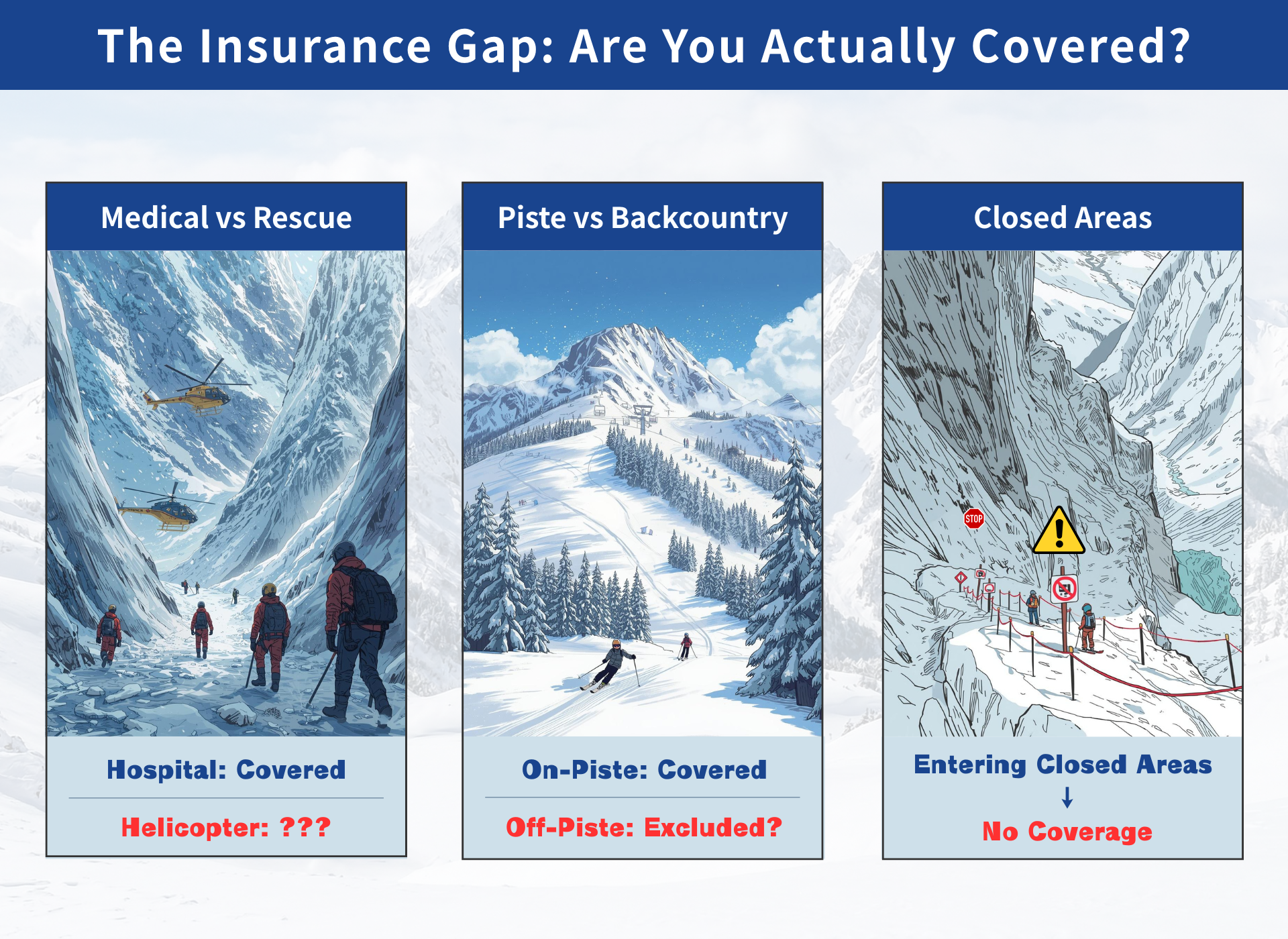
Rope Ducking = No Insurance Coverage

Please be aware that skiing or snowboarding in prohibited (closed) areas is extremely dangerous and often violates your insurance policy.

If an accident occurs in these areas:

  • Your insurance claim may be denied.
  • You could be responsible for 100% of the rescue costs.
  • You may face penalties or a ban from the resort.
Why This Site Exists

Japan's powder is world-famous.

But many visitors don't realize how different Japan's mountain rules, rescue systems, and insurance coverage can be.

HakubaSafety was created to share practical local knowledge that helps visitors ride safely and avoid preventable mistakes.

Because the best powder day is the one you get to enjoy again tomorrow.

Disclaimer
This website provides information for informational and educational purposes only.
We are not an insurance agency or a licensed financial advisor.
Please read the policy wording on the official websites before purchasing.